Source Non Toxic Magic Sand Kit With Moulds for Play, Education, and DIY
Source non toxic magic sand kit with moulds from 30 verified listings. Compare options featuring plasticine, kinetic sand, and clay materials suitable for children aged 2 to 14 years. Evaluate specifications including EN71 compliance, packaging types, and OEM availability to find the ideal educational toy set for your needs.
Key considerations
Products List








Comprehensive Sourcing Guide
Non Toxic Magic Sand Kit with Moulds Sourcing Guide
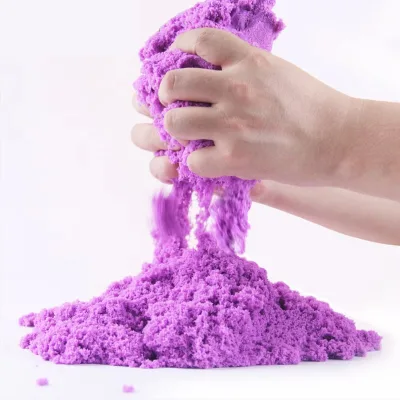
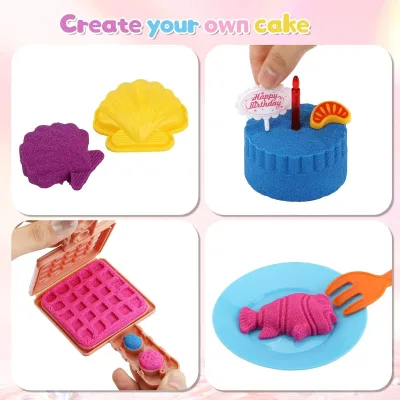
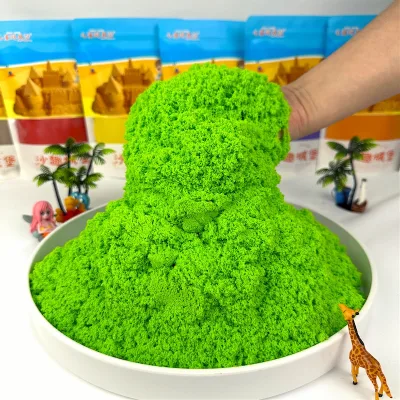
Sourcing non-toxic magic sand kits with moulds requires a clear distinction between kinetic sand formulations and traditional plasticine or clay-based play sets, as the market often blends these categories under similar descriptive terms. Buyers must verify that the "magic sand" component is explicitly defined as kinetic sand or a similar non-toxic, moldable material rather than standard plasticine, which may have different tactile properties and safety profiles. The observed product listings indicate a diverse range of materials including plastic, sand, slime, and clay, necessitating a rigorous specification check to ensure the final product matches the intended "magic sand" functionality for the target market.
Procurement decisions should also account for the variability in age ranges and functional claims observed across listings, which span from toddlers to teenagers. While some products target early developmental stages with simple play sets, others are marketed as educational DIY kits for older children, implying different complexity levels in mould design and safety requirements. A buyer must align the selected product's age recommendation and functional claims, such as intelligence development or practical ability building, with the specific demographic needs of their distribution channels to avoid mismatches in product suitability.
Product Scope and Observed Listing Signals
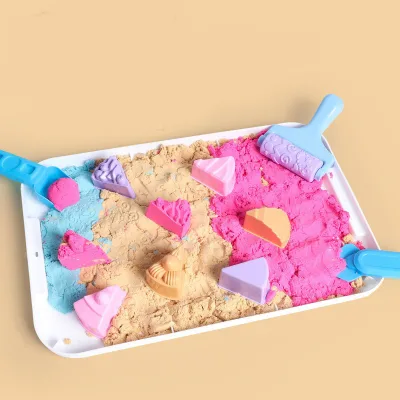
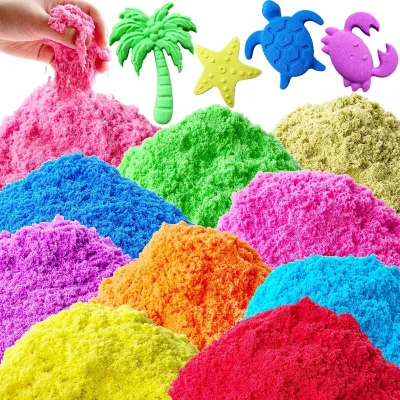
The product scope for this category encompasses a wide array of variations, including plasticine tool kits, kinetic sand sets, and colored clay combinations, all of which may be marketed as sand play sets. Listings reveal that materials can range from pure plastic components to mixtures of sand, slime, and clay, with some products explicitly labeled as "space sand" or "colored clay." This diversity means that a buyer requesting a "magic sand kit" must carefully scrutinize the material composition to ensure it aligns with the expected sensory experience of kinetic sand, which is distinct from standard modeling clay or plasticine.
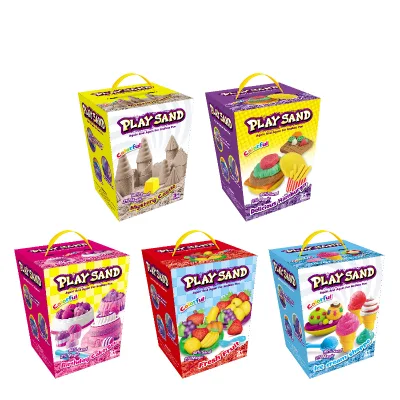
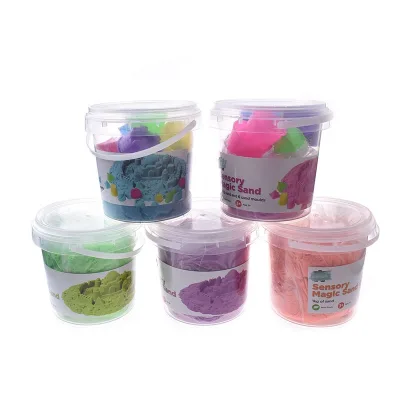
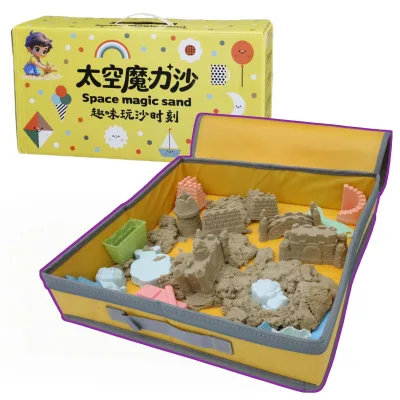
Observed listing signals indicate significant variation in packaging and unit configurations, with some items sold as single units in color boxes while others are packaged in plastic boxes with handles or bulk cartons containing multiple pieces. The quantity per carton varies, with some listings specifying 24 pieces per carton, while others list individual weights ranging from 908 grams to 2 kilograms. These differences in packaging and weight directly impact logistics planning and shelf presentation, requiring buyers to define clear requirements for single package size and gross weight to ensure consistency in their supply chain.
Technical Specifications to Verify
Buyers must verify the specific model numbers and design attributes to distinguish between generic play sets and specialized kits with moulds. The observed data includes specific model identifiers such as JS061886 and JT-1218000, which serve as unique references for product variations. It is critical to confirm that the selected model includes the necessary moulds for the "kit" aspect of the request, as some listings describe the product primarily as a sand or clay material without explicitly detailing the inclusion of shaping tools or moulds in the technical specifications.
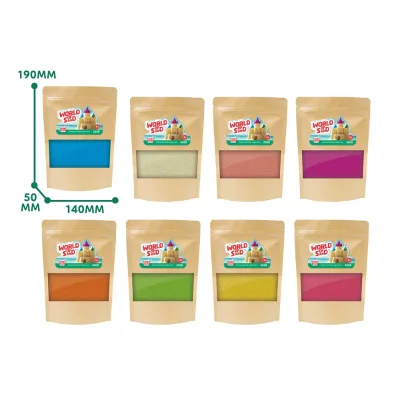
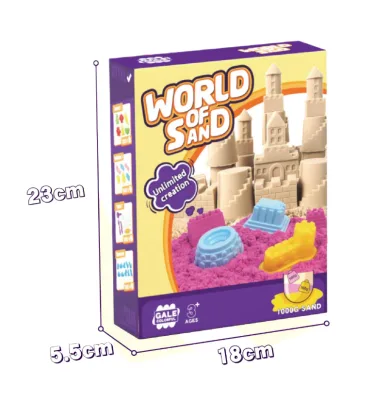
The physical properties of the sand and the durability of the moulds are essential technical parameters that require validation. Specifications such as fineness, color variety, and the specific type of sand (kinetic vs. standard) must be confirmed against the product description to ensure the material behaves as expected during play. Additionally, the single package dimensions and gross weight, which vary significantly across listings from 16x16x20 cm to 40x27x11 cm, must be verified to ensure compatibility with existing storage and shipping infrastructure.
Compliance and Safety Documentation
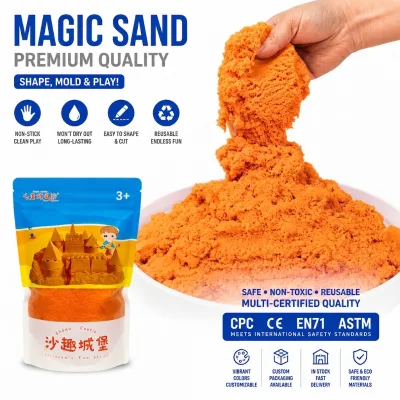
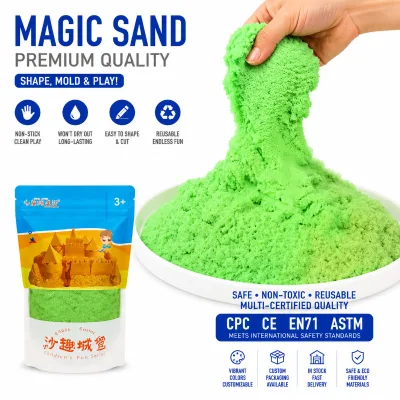
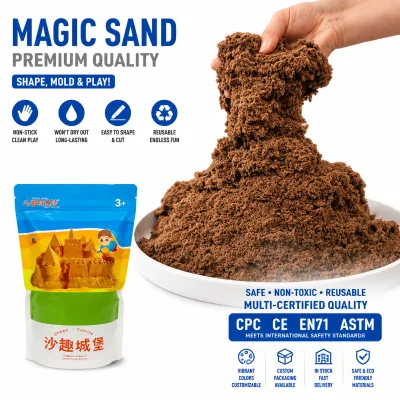
Safety compliance is paramount when sourcing toys for children, particularly those involving materials that may be ingested or handled extensively. The observed listings reference adherence to the EN71 standard, a critical benchmark for toy safety in many markets, and some products explicitly list CE certification. Buyers must request and verify current test reports confirming that the specific batch of magic sand and moulds meets these standards, ensuring that the materials are non-toxic and free from harmful substances as implied by the product descriptions.
Age range verification is a crucial component of safety documentation, as the suitability of a product depends heavily on the developmental stage of the intended user. Listings show age ranges spanning from 2 to 4 years up to 14 years and older, indicating that safety requirements vary significantly based on the target demographic. For younger children, the risk of choking on small mould parts or the ingestion of sand must be rigorously assessed, requiring documentation that explicitly addresses the safety of small components and the non-toxic nature of the sand material for the specific age group.
Cost Drivers and Commercial Terms
Cost drivers in this category are heavily influenced by the material composition, with products containing kinetic sand, slime, or specialized clay formulations often commanding different price points than standard plasticine kits. The observed price range is broad, extending from $0.10 to $740, reflecting the variance between simple single-item kits and comprehensive educational sets with multiple components. Buyers must understand that the inclusion of high-quality moulds, specific packaging like color boxes with handles, and the complexity of the design can significantly impact the final unit cost.
Commercial terms such as Minimum Order Quantity (MOQ) and packaging units are critical factors in determining the feasibility of a procurement order. The observed MOQ ranges from 1 unit to 3000 units, with some specific listings requiring a minimum of 3 cartons, which equates to 72 pieces based on a 24 pieces per carton standard. Buyers need to negotiate terms that align with their inventory strategy, considering whether they can meet the carton-based MOQs or if they require suppliers to offer flexible single-unit ordering options to reduce initial capital outlay.
Supplier Qualification and Quality Control
Supplier qualification should focus on verifying the origin of the products and the manufacturer's capability to maintain consistent quality across batches. The observed data indicates that products originate from key manufacturing hubs in Guangdong and Zhejiang, China, regions known for toy production. Buyers should confirm that the supplier has a proven track record in producing non-toxic sand kits and can provide evidence of their ODM and OEM capabilities, as some listings explicitly state acceptance of customization services.
Quality control measures must be established to ensure that the "non-toxic" claims are substantiated and that the physical attributes of the sand and moulds remain consistent. Given the variation in materials observed, such as the mix of sand, slime, and clay, it is essential to implement incoming quality checks that verify the fineness of the sand, the color consistency, and the structural integrity of the moulds. Buyers should also verify the supplier's ability to maintain the specified weight and package dimensions to prevent discrepancies in the final delivered goods.
Long-Term Procurement Checks
Long-term procurement success depends on establishing a reliable supply chain that can adapt to changing market demands and regulatory updates. Buyers should regularly review the supplier's ability to maintain compliance with evolving safety standards, such as EN71 or CE, and ensure that any changes in material composition do not compromise the non-toxic status of the product. Continuous communication regarding product updates, such as new mould designs or improved sand formulations, will help maintain the competitiveness of the product line in the market.
Sustainability and packaging efficiency are increasingly important factors for long-term procurement strategies. With observed packaging ranging from simple color boxes to plastic boxes with handles, buyers should evaluate the environmental impact of the packaging materials and explore opportunities for optimization. Additionally, monitoring the supplier's lead times and production capacity will ensure that inventory levels can be maintained without disruption, particularly as the product range expands to include different age groups and functional variations.
FAQs
What materials are used in these sand play sets?
The kits primarily utilize plastic, kinetic sand, clay, and slime materials. Some sets feature colorful plasticine alongside sand components. The materials are selected to support creative play and educational development for children across various age groups.
Which certifications do these toys meet?
The products meet the EN71 Standard and hold CE certification. These standards ensure the toys are safe for children. The materials are designed to be non-toxic and suitable for educational DIY activities, providing peace of mind for buyers and parents.
Can I customize the packaging for these kits?
Yes, customization is available for these sand play sets. OEM and ODM services are acceptable for branding and packaging design. Buyers can request specific color boxes or plastic boxes with handles to match their market requirements and brand identity.
What is the typical MOQ for these products?
The minimum order quantity is typically 3 cartons. Some listings indicate an MOQ range from 1 to 3000 units depending on the specific supplier. The standard packing often contains 24 pieces per carton, facilitating bulk procurement for retailers.
Where are these toys manufactured?
These toys are manufactured in Guangdong and Zhejiang, China. The production facilities are located in these regions, which are known for toy manufacturing. Buyers can source directly from these locations to ensure quality control and efficient logistics for international shipments.
What age ranges are suitable for these kits?
The kits are suitable for ages 2 to 4 years, 5 to 7 years, 8 to 13 years, and 14 years and up. The designs support intellectual development and practical ability across these ranges. The versatile nature of the sand and clay allows for various skill levels.